
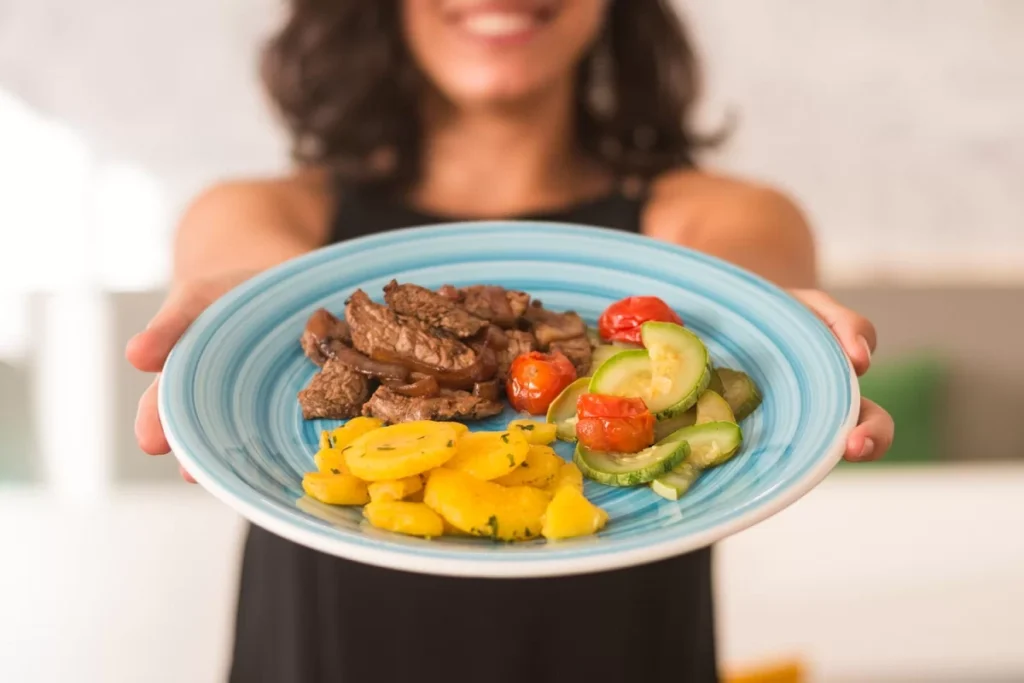
Women’s nutritional needs differ from those of men and change with age. A woman’s health depends on good nutrition at all stages of life.
Following a nutrient-rich diet provides energy for women’s busy lives and helps reduce the risk of disease.
Daily nutritional choices affect your health now and later in life. Therefore, choosing healthy foods and drinks more often prevents or controls many health problems that affect women.
Nutrition and Women’s Health by Age
Nutritional needs change as bodies change. As the female body goes through more stages of transformation, nutrition needs to adapt to maintain women’s health.
Women’s Health in Adolescence
At this stage, between 9 and 18 years old, girls need more calcium and vitamin D to build strong bones and help prevent osteoporosis later in life.
Osteoporosis is a condition that disproportionately affects women. In addition, vitamin D can also help promote immune health and reduce inflammation.
Green leafy vegetables are a good option for obtaining calcium. Fish such as tuna and salmon, for example, are excellent sources of vitamin D. If you buy canned salmon, opt for the version that contains soft, edible bones as an additional source of calcium.
It’s no secret that women lose iron during their menstrual periods, which puts premenopausal women at risk of anemia.
Therefore, iron requirements are especially high after menarche. Therefore, add lean red meats and seafood such as mussels, sardines, and oysters.
Zinc is important during adolescence due to its role in growth and sexual maturation. Serum zinc levels decrease in response to the rapid growth and hormonal changes that occur during adolescence.
It is naturally abundant in red meats, seafood, and whole grains.
Young Adult Women
Teenage girls and young women generally need more calories than when they were children to support their growing and developing bodies.
However, after age 25, a woman’s resting metabolic rate (the number of calories her body needs to sustain itself at rest) decreases.
Therefore, to maintain a healthy weight after age 25, women need to gradually reduce their calorie intake and increase their physical activity.
The calories, however, need to come from good food choices:
Proteins such as red meat, pork, roasted or grilled chicken (avoid frying for your health), salmon or other oily fish, beans, eggs.
Carbohydrates such as potatoes, cassava, pine nuts, hearts of palm, as well as yams, brown rice, beets, beans.
Fats such as almonds, olives, avocado, ghee butter, olive oil, coconut, and coconut oil, for example.
To maintain a woman’s health during this stage of life, a diet based on vitamin B12, iron, choline, vitamin D, and calcium is necessary.
Women’s health before and during pregnancy

A woman’s health at this stage of life depends on nutrients to support her health and the baby’s development.
Nutrients such as calcium, iron, and folic acid. Folate is useful for preventing neural tube defects and promoting a healthy birth weight and healthy growth.
You can get this mineral through spinach or dark leafy greens, beans, and nuts. But, you need to be careful and eat well-washed raw foods.
During breastfeeding, a healthy diet should be maintained. In addition, it will be necessary to drink more water.
After menopause
Lower estrogen levels after menopause increase the risk of chronic diseases such as heart disease, stroke, and diabetes, and osteoporosis, a condition that causes your bones to weaken and break easily.
To maintain a woman’s health at this stage of life, it is important to include more calcium and vitamin D in the diet to protect her bones.
Vitamin B plays an important role in cellular health and the functioning of the nervous system. Inadequate B12 intake can lead to a lesser-known type of anemia, which can make us feel weak and disoriented.
Furthermore, calorie intake should decrease, as metabolism is no longer the same. Especially at this stage, a woman’s health depends on physical activity.
Other tips for maintaining women’s health
Have good sex
Sex reduces stress and can lower the risk of chronic diseases – but only if you enjoy it. If something prevents you from achieving sexual fulfillment, such as dryness or pain, talk to your doctor to find a solution.
Sleep well
Sleep needs vary, but if you have trouble getting out of bed, tire easily, or have difficulty concentrating, you’re probably not getting enough. Recent studies suggest this can put you at greater risk of heart and psychological diseases.
Move your body
Physical activity helps control hormones, build muscle, and ensure proper bowel function. Exercise also promotes a better night’s sleep.