
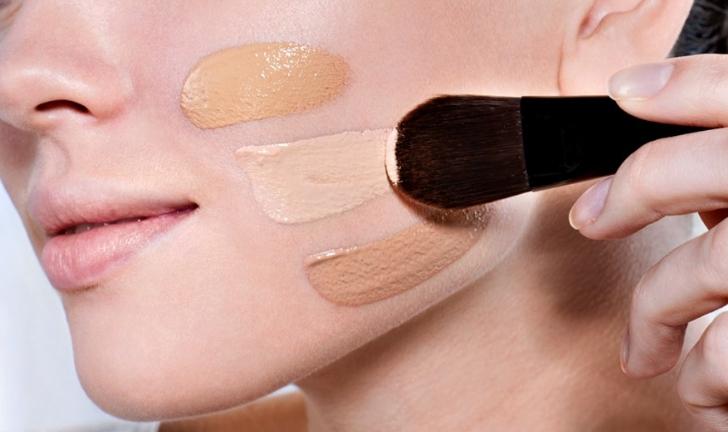
Why is it not recommended to test foundation on your hand and face?
Shade difference:
Hand: The skin on your hands is usually darker or lighter than the skin on your face due to sun exposure and other dermatological factors. This can lead to choosing a foundation that does not match the shade of your face.
Face: The skin on your face may have variations in tone in different areas (T-zone, cheeks, etc.), which can make it difficult to find a uniform color. In addition, your face may be more exposed to the sun, which can change the color of your skin compared to your neck.
Skin texture:
Hands: The texture of the skin on the hands is different from that on the face and neck. The skin on the hands tends to be thicker and less oily, which can affect the appearance of the foundation.
Face: The skin on the face may be oilier or drier compared to the neck, which can influence the application and finish of the foundation.
Why is it recommended to test foundation on the neck?
Color uniformity: The neck usually has a more uniform color and is less exposed to the sun than the face and hands. Testing the foundation in this area helps ensure that the chosen color blends properly with the natural skin tone, providing a natural and harmonious finish.
Tone continuity: For a beautiful appearance, the transition between the face and neck should be smooth. Therefore, testing the foundation on the neck helps to avoid a visible line of demarcation up to the face, ensuring a natural and well-applied makeup look.
Consistency in application: The texture of the skin on the neck is most similar to that of the face, especially in less oily areas. This helps to better predict how the foundation will behave throughout the day in terms of durability and finish.